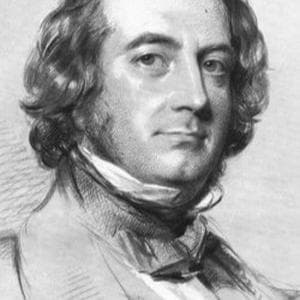
Richard Monckton Milnes MBTI Personality Type
Personality
What personality type is Richard Monckton Milnes? Richard Monckton Milnes is an personality type in MBTI, - - in Enneagram, in Big 5, in Socionics.
Richard Monckton Milnes is often overlooked as merely “the man Florence Nightingale rejected,” but his temperament stands on its own. ENFP fits his pattern best. Milnes was a poet, social connector, and intellectual networker. He moved fluidly between literature and politics, cultivating relationships rather than constructing rigid systems. His influence operated through conversation, patronage, and personal rapport — not institutional redesign. His letters reveal emotional openness and sincerity. He admired Florence’s intensity and did not attempt to diminish her ambition. That kind of idealistic attachment aligns with Fi-driven admiration rather than strategic positioning. Unlike dominant Te types, Milnes did not appear structurally obsessive or institution-focused. He participated in political life but was energized by people and ideas in motion. His temperament reads exploratory and relational — Ne–Fi over Te-dom administration. The dynamic with Florence also makes psychological sense. If she operated through inward compression and singular vision, Milnes embodied outward expansion and human warmth. ENFP–INTJ is a historically common pairing — vision meeting enthusiasm, structure meeting possibility. He didn’t architect systems. He animated worlds. ENFP fits that profile cleanly.
Biography
Richard Monckton Milnes (1809–1885) British poet, politician, and literary patron. Richard Monckton Milnes, later 1st Baron Houghton, was a prominent Victorian-era writer and Member of Parliament known for his literary interests and wide social influence. Educated at Cambridge, he became active in both political and intellectual circles, cultivating relationships with leading thinkers, artists, and reformers of his time. Milnes was recognized for his poetry, essays, and support of emerging literary figures. In Parliament, he engaged with social and cultural issues rather than positioning himself strictly as a partisan strategist. He moved comfortably within elite Victorian society and was known for his conversational skill and broad network of connections. He is also remembered for his close relationship with Florence Nightingale, to whom he proposed marriage. Though she declined, they maintained cordial relations throughout their lives. Milnes’ legacy lies less in institutional reform and more in his role as a cultural intermediary — a patron, connector, and participant in the intellectual life of 19th-century Britain.