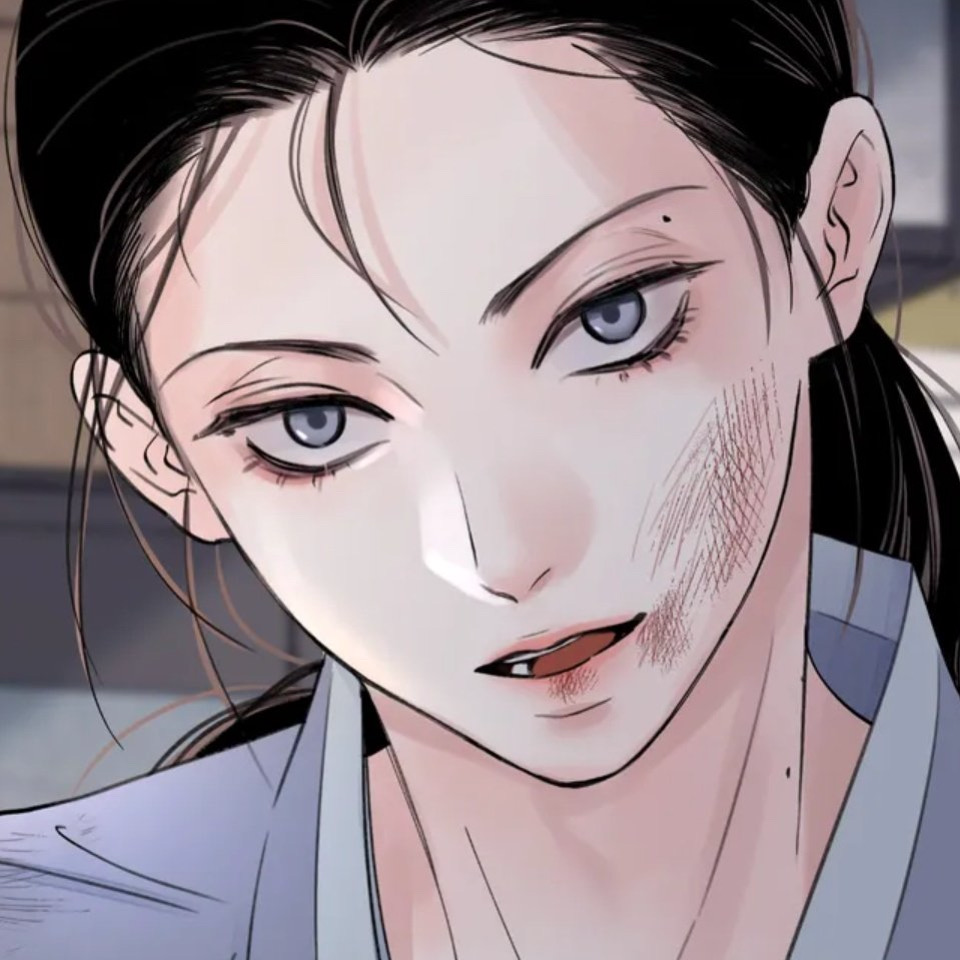
Sung Jin-Woo (Before Acquiring the Leveling System) MBTI -Persönlichkeitstyp
Persönlichkeit
"Welcher Persönlichkeitstyp ist {profilename}? {profilename} ist ein {MBTI} -Persönlichkeitstyp in MBTI, {enneagram} - {iv} - {tritype} in EnneArgram, {big5} in Big 5, {socionics} in Socionics."
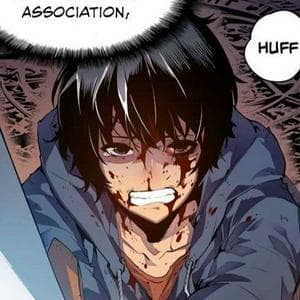
I can understand INFP votes. After all, since this is a typical "anime-protagonist", the transformation is very rushed and hyperbolized, but - NOT unrealistic. It just takes way more time and internal effort irl. But this is still the "INFP-ish INTJ", not INFP. Let me share with you my "INFP-like" -> INTJ story. When a person is going through dark times, their main functions are constantly challenged, always under attack. This is where the 1st shadow function comes out, as a "Defender", while the 3rd function serves as a "corrective anchor" to restore control over the 1st and 2nd main functions, often taking the lead, especially in social interactions. Let's refer to this phenomena as "Depressed" for short. Basically, when your established neural behaviors meet the "Real World" negative reaction to them, which, as a result, leads to the "loss of self", "loss of purpose" and "loss of confidence" - this is the way for your brain to tell you "something needs to be changed". That's why a "Depressed" person often has a low self-esteem and/or a lot of doubts in their strengths. This leads to awkwardness, isolation and dismissiveness. "Depressed INTJ" has "Ne" as a defender, resulting in a turbulent search for "new solutions and opportunities to change the circumstances", but being a shadow - often underdeveloped - function, it results in "randomness", "wishful thinking"/"catastrophisation" and "impulsivity". Fi-ter as an anchor often serves to analyze and correct the "compromised Ni-dom", constantly returning back to the "core personal values" and the search for ways to preserve/restructure them. Te-aux is compromised too, as a result of a "confidence loss". Which leads to distrust in the objective world data (a coping mechanism, because the "objective world isn't working properly for my values and/or I don't have place in it as I am right now"). This is where Fi steps in as an "anchor in lead" to maintain the hurt sense of "Self", Ne serves as a way to "collect data on how to change things" and Te becomes "not trustworthy, but constantly present" ("I need to provide to my family even if I'm not good at it, risking my life, because it is the objective path to achieve my goals - to have a socially, physically and mentally healthy family"). Pretty similar to Fi/Ne axis - as a behavioral model, but not as a "core". When things are getting corrected slowly, Ni and Te regain the "trust". and Fi serves as a "supervisor", as if making sure, that "these guys are okay now". Ni with the help of Te and "Fi supervision" starts to narrow down tons of Ne-collected data, and eventually the influence of Fi diminishes. Confidence restored, core values preserved/restructured, new ways to live are found, trustworthy Ni/Te axis becomes a tool to achieve them. That's basically what happened to Sung Jin-Woo. And this is a pretty normal "INTJ healing" process.