Marilyn Monroe type de personnalité MBTI

Personnalité
"Quel type de personnalité est Marilyn Monroe? Marilyn Monroe est un type de personnalité ISFP dans MBTI, 6w7 - sx/so - 369 dans Enneagram, RLUAI dans Big 5, ESE dans Socionics."
I read somewhere in the autopsy report that the amount of medication necessary for her death could not be found. The same site was talking about the case being closed due to lack of evidence when it was about to be reopened. If these are true, we have nothing more to argue about her death. On the other hand, another controversial issue about her is her intelligence. They said to she have scored 160 on an IQ test, but there are no documents to prove it. Since it would not be possible to take such an exam as a child due to family problems, it is assumed that she took such an exam as an adult. This makes gossip less likely because these tests were not common at the time. However, it should not be forgotten that many documents related to Marilyn have disappeared before they can be brought to the present day, and every rumor is a starting point. Her a friend backed this gossip, and nearly all of her acquaintances once said that she was the smartest person they had ever known. She had an extraordinary desire for self-development, and one of the directors she worked with said of her, "Her sensory awareness was brilliant. That was the strength of her acting." said. The house's library had over 400 books, most of them on philosophy. She wrote poetry, sang, performed on stage, and hurting herself more and more each day. She could not get over the traumas she experienced and had a serious self-confidence problem. She had many mental problems and throughout her reputation, she had a lot of identity confusion with the taboos imposed on her by the media. She died before she could discover herself and find the love she had always sought. And as I said at the beginning, even this issue is as tragic as her life. I don't know what personality type is, I'm stuck between xsfp. But what matters to me is that she is one of the most interesting and intelligent women Hollywood has ever seen. With her explosive tragedy, of course.
Biographie
Marilyn Monroe (born Norma Jeane Mortenson; June 1, 1926 – August 5, 1962) was an American actress, model, and singer. Famous for playing comic "blonde bombshell" characters, she became one of the most popular sex symbols of the 1950s and was emblematic of the era's attitudes towards sexuality. Although she was a top-billed actress for only a decade, her films grossed $200 million by the time of her unexpected death in 1962.
Personnalité correlate

Audrey Hepburn

Clint Eastwood
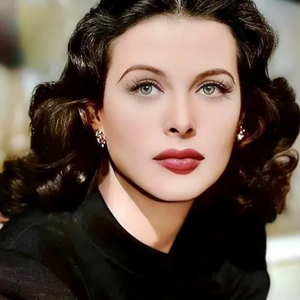
Hedy Lamarr
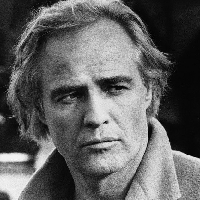
Marlon Brando
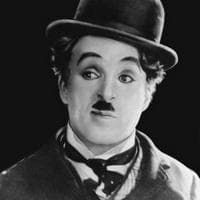
Charlie Chaplin

Fred Rogers

Katharine Hepburn

James Dean