Naomi Kawase type de personnalité MBTI
Personnalité
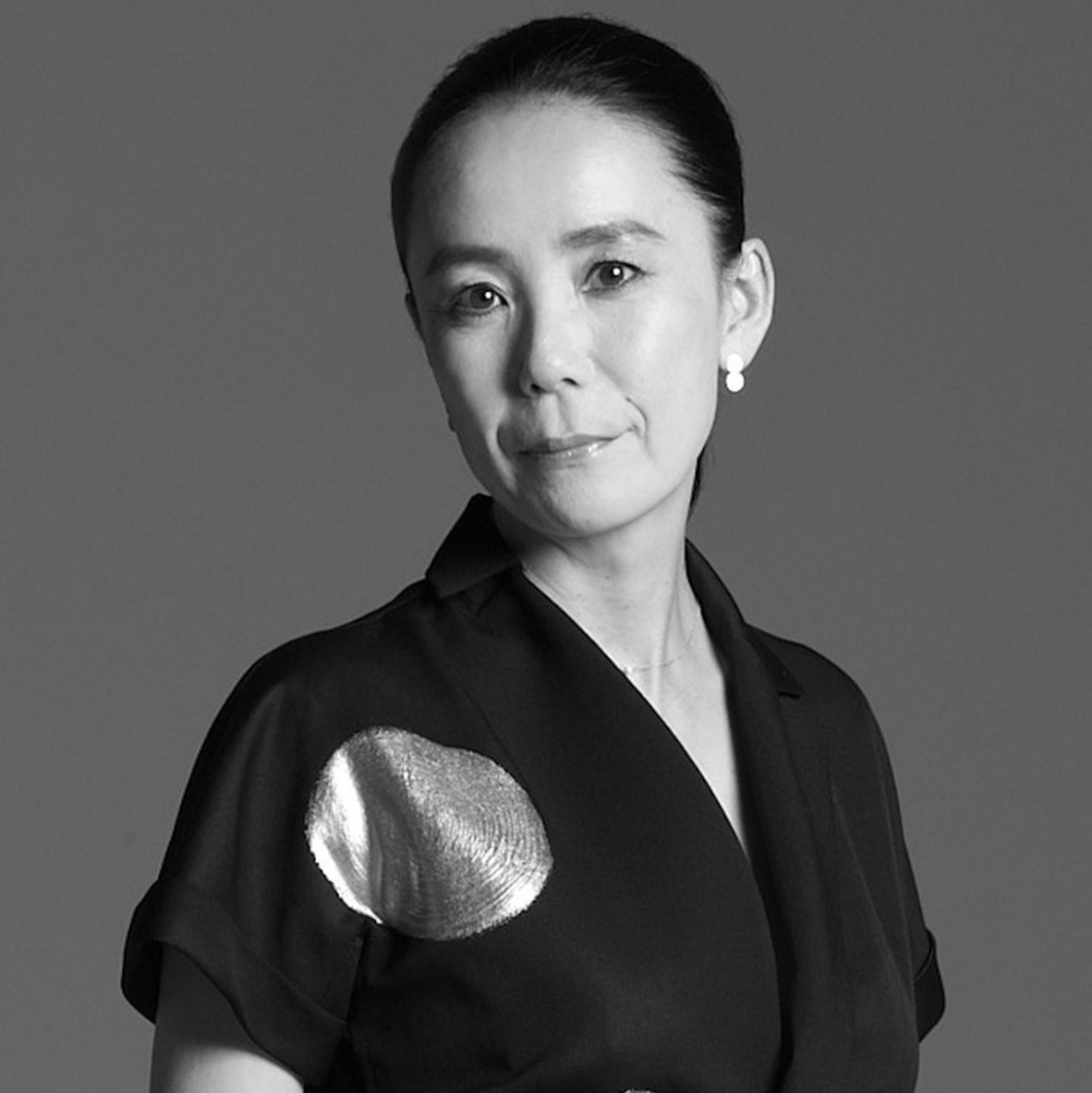
"Quel type de personnalité est Naomi Kawase? Naomi Kawase est un type de personnalité INFJ dans MBTI, 6w5 - sp/so - dans Enneagram, dans Big 5, dans Socionics."
💡I think that something inside of me was missing, and I didn’t quite have the resources to fill it up. If this had been resolved by a friend, or some other person, that might have been really lucky. I mean being able to communicate, to be in synch with someone else. But I think this kind of companionship has been fundamentally missing from my experience. So film, which may just be a fictional world, allows me to confirm my existence by making imaginary spaces more real. 💡My hometown of Nara is in a rural area and doesn’t have a cinema,” she explained. “I wasn’t brought up with lots of cinema. The camera and film came to me. The God of filming came down to me.” 💡 When I looked up the word “mogari,” I found that it means both the place of mourning and the feelings you have toward those you mourn or miss. We spend so much of our time in modern society worrying about the here and now. It’s through having the experience of witnessing a loved one die or go through the stages of dying that we can reflect on the inner soul and be connected to the afterlife. 💡If you want to watch cherry blossom you have to wait until spring. If you want persimmon, you have to wait until autumn. Waiting is important.” 💡Believing in the existence of the "invisible" and then confronting its silence. It's the evolution of this silent invisibility that I wanted to show through the film. It evokes the regrets of a lifetime, the self-destruction that goes hand in hand with despair, the distress of feeling useless in the world...but despite that, or because of it, placing so much hope in the future. I have a tendency to believe that a door opens to a world where affection and tenderness rule, if only one believes it. 💡 Moments when I encounter the diverse ways of thinking from around the world. They prompt me to deepen my own culture. It is like a trip where we take in the differences and get to know our current world; it’s stimulating. 💡 It’s an actor’s job to recreate an emotional state, and a director can guide them in achieving that. But for me, I find that it’s better to create an environment where an actor can truly feel something that is profound to them. 💡 During this process, we come to terms with how much or how little we understand the texture of the world, how much we trust the world, and how ready we are to create this world—in short, our power as humans. I think we have a responsibility to create the future, an element that can’t be reached just through technique or knowledge. Films that are completed like this are an expression of thought entrusted to the future of humanity. 💡I wanted the film to concentrate on telling the present-time story, and everything that relates to the past is expressed through the characters’ memories. In other words, the scenes from the past reflect the characters’ inner expression and they don’t contribute to the progression of the plot. As such, the camera uses shots that are sometimes rather indefinite, just like memories unfold in our minds every day. 💡People have the ability to believe in “fabrications”, and so, certain currents and groups have gained much power over their fellow men. And that is why the fact of experiencing culture and art in an unmediated fashion makes us feel truly alive, beyond our daily lives. We are living in an age where the situation has forced us to separate from other people, but the newly-created ways in which we can experience art online has doubtlessly saved us from our longing for others and loneliness. I hope, from the bottom of my heart, that the day we will be able to interact across borders and cultures directly, and not through a screen, will soon arrive. 💡Just as history has shown us in the past, at the end of each tunnel that separates us, humans will discover the “light”, and that is what I think is going to happen at the end of this period. But to be able to discover this light, it’s not enough for us to simply satisfy our egoistic desires, but also to embark on a journey to discover the others that we hold within ourselves. 💡Well, in film everything is naturally about vision, but I also mean the editing process. Very subtle changes, such as light, convey mood, reflect a person’s state or memory, which you would not see otherwise. I convey feelings via these visual means. 💡 I experienced the birth of my son as something utterly uncontrollable, and began to project that feeling onto my surroundings, my family, and crew. I also began to ask myself what relationships should really be like. Whereas in my earlier films, I was much more focused on self-discovery.
Biographie
Naomi Kawase is a Japanese film director. She was also known as Naomi Sento, with her then-husband's surname. Many of her works have been documentaries, including Embracing, about her search for the father who abandoned her as a child, and Katatsumori, about the grandmother who raised her.
Personnalité correlate
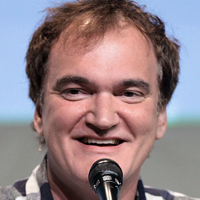
Quentin Tarantino
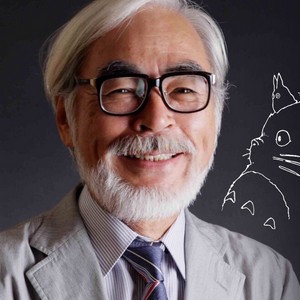
Hayao Miyazaki
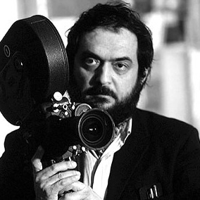
Stanley Kubrick

David Lynch

Christopher Nolan
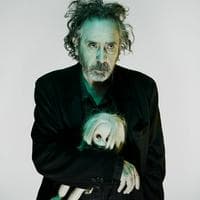
Tim Burton
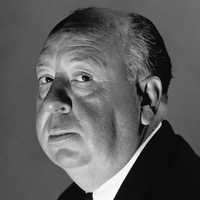
Alfred Hitchcock

Martin Scorsese