Eastern Dragon typ osobowości MBTI
Osobowość
"Jaki typ osobowości jest {profilename}? {profilename} jest typem osobowości {mbti} w mbti, {enneagram} - {iv} - {tritype} w enneagram, {big5} w Big 5, {sociionics} in Socionics."
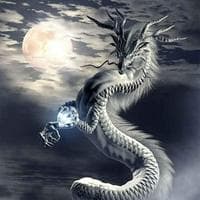
eastern dragons or “loong’s” are the perfect representation of SO7 in mythology because, they are symbols of divine esoteric wisdom, they share abundance, joy, wealth, prosperity, insight, knowledge, and/or overall goodness with others, and they especially possess the gluttony of good social standing, the image of being a saint, being perfect and this especially shows in how they are worshipped among many cultures and statues have been built of them. their guiding and helpful nature can make them appear like E2’s and the ENFJ stereotype in myers briggs/big 5, but their much more in alignment with the needs and fixations of the head triad, the seven in this case.
Biografia
They can best be described as either "lion-snakes" or "wolf-snakes". They sometimes evolve out of Seahorses or Carp. Generally possess short, deer-like antlers. Most often have one head and four legs. The longer a dragon, the more pairs of legs he has. Normally associated with water (and the sky, which was considered an ocean in classical Chinese thought), and are often considered bringers of rain. Furthermore, the Azure Dragon and the Yellow Dragon are associated with Wood and Earth, respectively. In some works, some Chinese dragons are capable of breathing fire. In some legends, they are capable of this after being punished. Can fly via magic even if they lack wings, which they usually do. When they do have wings, they are often birdlike. Their size can range from as small as a grasshopper or large enough to fill the space between heaven and earth. Unlike Western Dragons, they are benign, however they are capable of destructive force when provoked. Instead of hoarding magical treasures, they make them. The other thing they hoard is wisdom, which they rarely share with mortals. Not only are they intelligent, they are usually a Mentor Archetype. They may be rivals with tigers, and/or a male counterpart to the female fenghuang. In Japanese folklore, dragons are sometimes portrayed as evil, such as the infamous eight headed Orochi. In addition to assuming human form, they also often have the ability to transform into other animals. They are considered semi-divine, if not outright gods. In relation to the above, pretty much invincible... not that people actively seek them out to kill them anyway. Have a single "reversed scale" under the chin, and go into a blind rage if it is touched/rubbed the wrong way. Since they live and breathe essence of life itself, they are the exact opposite of being poisonous.