“Hikaru” tipo de personalidade mbti

Personalidade
"Que tipo de personalidade é “Hikaru”? “Hikaru” é um tipo de personalidade ENFP em mbti, 7w6 - sx/so - 279 em enneagram, SLUAI em Big 5, ESE em sociônicos."
When Hikaru in a moment of intense distress, feeling Yoshiki's potential rejection, rips a part of his own being and offers it to Yoshiki as a sign of his weakness and desire to stay, He is ashamed, because he's a monster, and this act is a violent outburst and a desperate, vulnerable display that blurs the line between monstrous instinct and human-like love, making him feel weak and ashamed of his true nature and actions. This correlates a lot to the character of fours, as they believe they're inherently flawed, specially sx4. Sx4 Primary drive is for deep and emotional fusion with a single, ideal person. They are looking for a unique, all-consuming relationship they can get lost in. "They search for "The One". They often yearn to be "rescued" by one true love who will completely understand them, feeling too unique for mass friendships and needing one exclusive connection." "Cheerful and Chatty They are usually very happy people, especially in moments of euphoria within their manic-depressive peaks. Just as when they are down they are the most dramatic in the enneagram, when they are on top they become the funniest, sharpest, and most capable of laughing at themselves and their misfortunes. Quaint as they come, they can be talkative and very talkative in their attempt to focus the audience's attention on them. If they find the paid field, there is no one to stop them, and they even tire the audience, of course" "...swings a lot between euphoria and depression, there are no grays or nuances. This manic-depressive or cyclothymic tendency is found at various levels of severity depending on the subject. The passion for extremes leads the person to identify at different times with being the most wonderful or the shittiest. These subjects can go from one state to another in very short periods of time, either due to external stimuli, environmental circumstances, or internal ones, related to fantasy. Emotional lability is characteristic of this subtype leading to the intense way of life with which these people identify so much, and which they use as another refined way of not being in touch with real lack." "The sexual E4 also presents obsessive tendencies, either towards a person who is the target of his love, or towards some activity in which he finds comfort, and these become the only lifeline and something essential that is out there to solve the problems. Issues that he does not face on his own, and perhaps to control a depression that he could not contain"
Biografia
“Something” appears in place of Hikaru, Yoshiki's childhood friend who went missing on the village mountain six months ago. It looks like Hikaru himself, but...?
Personalidades relacionadas

Yoshiki Tsujinaka

Hikaru Indou
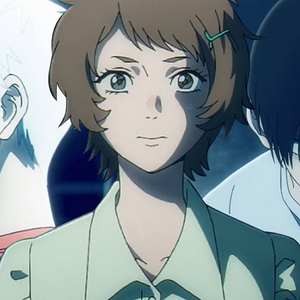
Asako Yamagishi

You, The Watcher (Vote Your Type)

Tanaka
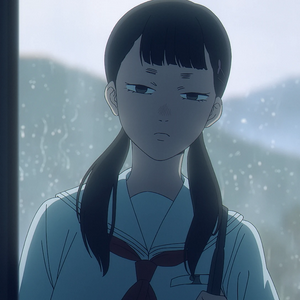
Yuuki Tadokoro
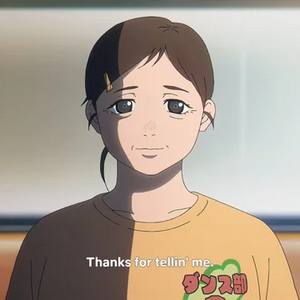
Rie Kurebayashi

Kaoru