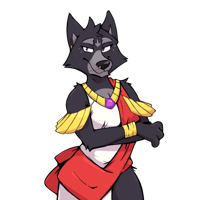
{{ชื่อ}} ประเภทบุคลิกภาพ MBTI

บุคลิกภาพ
"Cassius ประเภทบุคลิกภาพประเภทใด Cassius เป็นประเภทบุคลิกภาพ ใน mbti, - - ใน Enneagram, ใน Big 5, ใน Socionics"
Fe - Ambitious, charismatic, and politically calculating - cultivates a populist following through public appearances, countryside tours, and speeches, consistently outperforming Amicus in popular support during their competition for the throne. - Highly persuasive and theatrical speaker - carefully modulates his cadence, volume, gestures, and emotional delivery to influence his audience. During the third trial, transitions from furious denunciations of Adastra's decline to a tearful account of an impoverished girl suffering from his own bone disease. - Wolven nationalism and collective pride - interprets Adastra's decline through humiliation, lost prestige, and the disrespect of other Siblings. Advocates restoring the empire's dignity, independence, and feared reputation, rejecting dependence on Khemia and the broader Galaxias. - Authoritarian paternalism - believes the people need strong leadership and moral direction rather than corrupt elected representatives. Proposes abolishing the triumvirates and governing directly, interpreting public dissatisfaction as evidence that the population is seeking someone to guide it. - Strong emphasis on status, reputation, and social obligations - demands elaborate deference from servants, closely monitors Virginia's loyalties, and insists on behaving like an emperor even in private. Deliberately cultivates the character he believes a sovereign ought to embody. - Vindictive and morally punitive - employs humiliation, threats, and social condemnation to discipline perceived opponents. Publicly exposes Amicus and Neferu's intimacy to discredit their political alliance; regards punishment as an appropriate means of controlling the empire's subordinate species. - Deeply insecure beneath his authoritative persona - sensitive to rejection, betrayal, and public embarrassment, particularly from his family. His relationship with Virginia exposes his craving for familial approval, while his private breakdown before Alexios and the question "But am I a fraud?" reveal his uncertainty about his own legitimacy. - Genuine concern for the vulnerable, despite his authoritarianism - particularly attentive to impoverished wolves, inadequate healthcare, and the neglect of rural communities. Following his abdication, pursues the position of Chief of Social Affairs, advocating the redistribution of resources toward those outside the triumvir cities. His eventual willingness to cooperate with Amicus and continued attachment to Alexios reveal a more forgiving, protective side. Ni - Historical and civilizational outlook - interprets Adastra's contemporary problems through recurring themes of imperial decline, lost sovereignty, and galactic humiliation. Frequently invokes Drusus and the empire's earlier history to contextualize its present condition and envision its restoration. - Preoccupied with destiny and divine intervention - believes the Parents' withdrawal is connected to the unresolved succession and expects contact to resume when legitimate leadership is established. His encounters with the Parents through somni undermine this worldview, particularly when their apparent intentions conflict with his ambitions. - Tendency toward overarching interpretations - understands the empire's political, diplomatic, and social troubles as manifestations of a broader loss of Wolven identity and authority. Eventually resigns himself to the possibility that Amicus was always destined to become emperor. Se - Strong attention to physical presentation - maintains a carefully controlled regal appearance through formal attire, posture, and dramatic bodily gestures. Even after privately breaking down in Alexios's company, straightens his armor before returning to public life. - Physically sensitive and easily overwhelmed by unpleasant sensations - suffers from a debilitating bone disease, reacts strongly to the headaches caused by untranslated speech, and displays pronounced disgust toward bodily contamination. His poisoning leaves him with a lingering aversion to wine. Ti - Attempts to resolve the First Contact controversy through conceptual distinctions - considers whether Amicus's actions constitute deliberate First Contact, an honest mistake, or no violation at all if humanity already possesses knowledge of the Galaxias. Searches for an interpretation that would allow him to protect Amicus without violating the Parents' prohibition. - Weak Ti - struggles to reconcile his claim of rightful authority with the deliberate manipulation of the third trial. Initially defends his position by invoking established protocols and threatening censorship, but cannot sustain that justification when confronted with evidence of the deception. His eventual abdication forces him to acknowledge the contradiction between his cultivated image of honorable sovereignty and the circumstances of his accession.