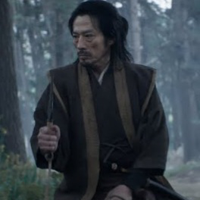
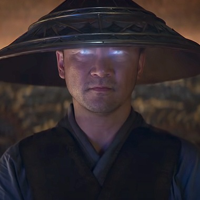
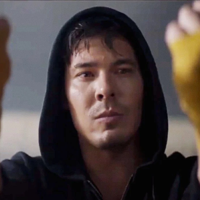
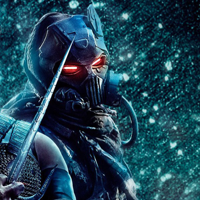
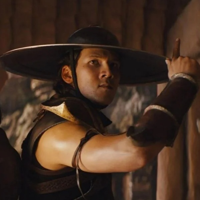
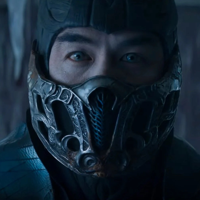
Sub-Zero / Bi-Han mbti kişilik türü
Kişilik
"Sub-Zero / Bi-Han hangi kişilik türü? Sub-Zero / Bi-Han, MBTI, 8w9 - sx/sp - 854 'de ISTJ kişilik türüdür, RCOEN, RCOEN, büyük 5, SLI' dır."
need arguments for lawful vs neutral evil, temperaments; and can someone shed some light on their most-fitting enneagram for this man? also, I could see why you guys would think he’s an ISTP but the unspoken part to Bi-Han as to why he does what he does is indicative of non-philosophy (not to say ISTJs can’t be philosophical) and non-collective “be used as a vessel to obtain what mostly they want, but also doesn’t hurt me doing what I’m good at” (ISTP) but more, success in mastering his class and field… in MK1 it was the look as he killed Scorpion and his family because he was told to, and because they were on opposing sides (wherever Bi-Han’s origins started)—but also that he has achieved either the means to do it or the personal respect that it gains to kill a diligent and renowned ninja such as Scorpion. and that he’s upset the ends had to justify those means, but a look of—if he had to do it again for his own self-serving mechanisms, he would. Fi dictates his tertiary, not Fe as inferior. >POLISHED ONLY, by ChatGPT. request typo clarity if needed In Part 2, he serves Outworld because he’s been called upon by them and still respects the institution that has ultimately benefited him. Yet the words he says to Scorpion before combat are telling: something along the lines of, “You think you’re the only one who has maneuvered well, but I’ve learned to become one with the shadows here.” That statement reflects achievement and adaptation, not vanity or a desire to display status the way a Ti-Fe counterpart like Johnny Cage or Kano might when given the opportunity. Instead, he reacts with restraint. Maybe that’s because the movie was intentionally designed not to revolve around Scorpion and Sub-Zero (or much to know about him) again; or maybe it’s because he values personal gains and victories more than being perceived as a useful &competent instrument by either himself or the collective he serves. Further, an ISTP in this setting likely wouldn’t ask questions, care about others’ motives, dissent, or investigate motives so long as doing so would only introduce the burden emotionally- while still requiring them to serve. If they acted as instruments of death without questioning the morality behind it, they would simply detach from the emotional implications of their actions. An ISTP here would kill through disinterest and dispassion. b̲u̲t̲ this character instead seems invested in a path that conveniently fulfills his own desires through subservience. He submits to what he does, is at peace or indifferent to being the one they come to to handle issues (not lone-wolf-like), knows his place within the ranks (something Fe struggles with; leading to more and more put into a glass half-empty). Even if the path is destructive, he still chooses it because it grants him purpose and skill expression — because he’s good at the darkness he commits to. At the same time, he recognizes that Outworld may still have a hat in the ring. He may not have been able to realize they didn’t truly have control, or perhaps he simply lacked enough information to see the larger picture (as we, the untelling audience also did) — which would align with a classic weakness of Te: acting *decisively* despite incomplete context. Or maybe he chose to go down with the ship, remaining loyal to his journey with Outworld regardless of the consequences. What matters is that he still wanted to understand how killing a powerful ninja served both himself and Outworld. *ISTPs, by contrast, are dissenters toward hierarchy structures.* Compare that to Jade, smarter ISTJ, who likely realized that either side could win and therefore chose to align herself with the side that would preserve stability, maintain appearances, and appoint/uphold her queen in power.