Evan Hansen MBTI Personality Type
Personality
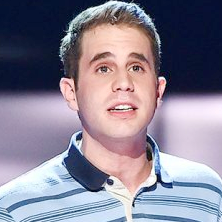
What personality type is Evan Hansen? Evan Hansen is an INFP personality type in MBTI, 9w1 - sp/sx - 964 in Enneagram, RLUAI in Big 5, IEI in Socionics.
[1/3] I'm surprised there aren't more six votes :/ I assumed he was a core 6 from the start, but I was having trouble determining if he was a so or an sp. I finally arrived to the conclusion that he is indeed a 6p, and I wanted to share why I think that. Here; (feel free to skip the pasted text and just read the conclusions) "6sp THE SELF-PRESERVATION INSTINCT IN THE SIX: RESPONSIBILITY • In the average range, Self-Preservation Sixes attempt to allay their survival anxieties by working hard to build up security through mutual responsibility. They offer service and commitment with the expectation that it will be reciprocated by others. Although they seek secure partnerships, Self-Preservation Sixes tend to make friends slowly: they observe others over time see if they are trustworthy and truly "on their side." They are more domestic than the other variants and are frequently concerned with maintaining the stability of their home life. They often take care of the security needs of the household: bills, taxes, insurance, and the like. Self-Preservation Sixes do not easily disguise their anxiety and neediness. In fact, they may use it to gain allies and supporters—vulnerability can elicit help from others. They tend to fret about small things, which can lead to catastrophic thinking and worst-case scenarios. ("The rent is five days late? We're going to be evicted for sure!") Self-Preservation Sixes are usually frugal, and worry a great deal about financial matters. Conflicts with others over resources are common. • In the unhealthy range, Self-Preservation Sixes are extremely clingy, dependent, and panicky. They stay in punishing situations—bad marriages or overly stressful jobs—because they are terrified of being without support. They may grasp at relationships with such forceful anxiety that they end up alienating the very people they want to bond with. Paranoia may also drive them to become more aggressive: they exaggerate dangers and strike out at "enemies" to ensure that no one will be able to threaten them. Ironically, this often ends up destroying their own security systems." I think the appeal is pretty clear. As he fails to maintain the stability of his domestic life with his mom, he takes the chance to rebuild one with the Murphy's, creating a safe and stable space (at least tried to). This side of him, "[...] do not easily disguise their anxiety and neediness. In fact, they may use it to gain allies and supporters—vulnerability can elicit help from others" is shown when he tells Jared about the incident with the tree, and the way he tells it, mocking himself. The catasthrophic thinking- well, although that's not shown as clearly, and he seems more like a reclusive optimist, we can see it through Connor's "gosht" (a fragment of Evan's own imagination) during the many times he said that everything was going to turn out for the worst. The unhealthy range? Literally the plot of the story. It's hard to judge his actions and categorize them because there were so many factors, but if we keep thinking from a more selfish point of view, and ignoring how others would feel about it, Evan refuses to tell the truth even when the situation gets out of his hands, and he kept pushing himself to his limit in order to maintain the support net he had built. It wasn't until his security system fell apart, and the Murphy's net had completely broken that he felt able to break the cycle and resign to them. Striking out at enemies and destroying their own security systems? That's what happens just before 'good for you', when he lashes out at everyone. Even if you think that everything that happened from the very beggining is his fault, and letting aside his own personal and more selfish reasons to do so, what he does throughout most part of the musical is take responsability. At some point it does become his full responsability, but at the start, when he's just starting to get involved with the Murphy's, he could've easily quitted. Anxiety and social akwardness obviously played a huge part in him deciding to fool them for such a long time, but he also felt the need to help them and the responsability to take care of them even before he had done (almost) anything wrong. Feeling the obligation to do the big speech at the memorial assembly, of writting more and more emails, of spending time with the family... What I'm trying to say is, I think the "SELF-PRESERVATION INSTINCT IN THE SIX: RESPONSIBILITY" title sums him up. I'll now be talking about the 6so but I'll continue in the replies since I can't put it here due to word limit.