Heavy metal MBTI -Persönlichkeitstyp
Persönlichkeit
"Welcher Persönlichkeitstyp ist {profilename}? {profilename} ist ein {MBTI} -Persönlichkeitstyp in MBTI, {enneagram} - {iv} - {tritype} in EnneArgram, {big5} in Big 5, {socionics} in Socionics."
Subtypes as metal/rock genres SP1: Classic rock SX1: Hard rock SO1: Industrial metal SP2: Kawaii metal SX2: Hair/Glam metal SO2: classic heavy metal SP3: Jazz rock SX3: Yacht rock SO3: Arena rock SP4: Alternative metal SX4: Post-hardcore SO4: Emo SP5: Doom metal SX5: Goth rock SO5: Neoclassical metal SP6: Folk rock SX6: Melodic death metal SO6: Shoegaze SP7: Nu metal SX7: Power metal SO7: Prog metal SP8: Groove metal SX8: Death metal SO8: Metalcore SP9: Grunge SX9: Symphonic metal SO9: Folk metal
Biografie
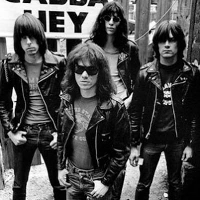
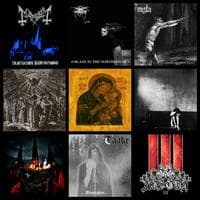
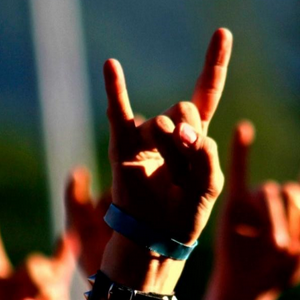
A musical genre originating in the 1960s and '70s, influenced by blues and psychedelic rock, emphasising a heavy, powerful sound with distorted guitars, power chords, riffs, thundering drums, and (often) extended, virtuoso guitar solos. Famous for heavy metal umlauts, metal screams, and metalheads having huge online arguments about which bands are and aren't metal or music in general. The look varies by era, but long hair, leather, jeans, studded belts, and boots are widely part of the metal look. The definition of this genre is hazy and controversial, but it's generally considered to be an umbrella term collecting thrash metal, death metal, black metal, and any other subgenres.