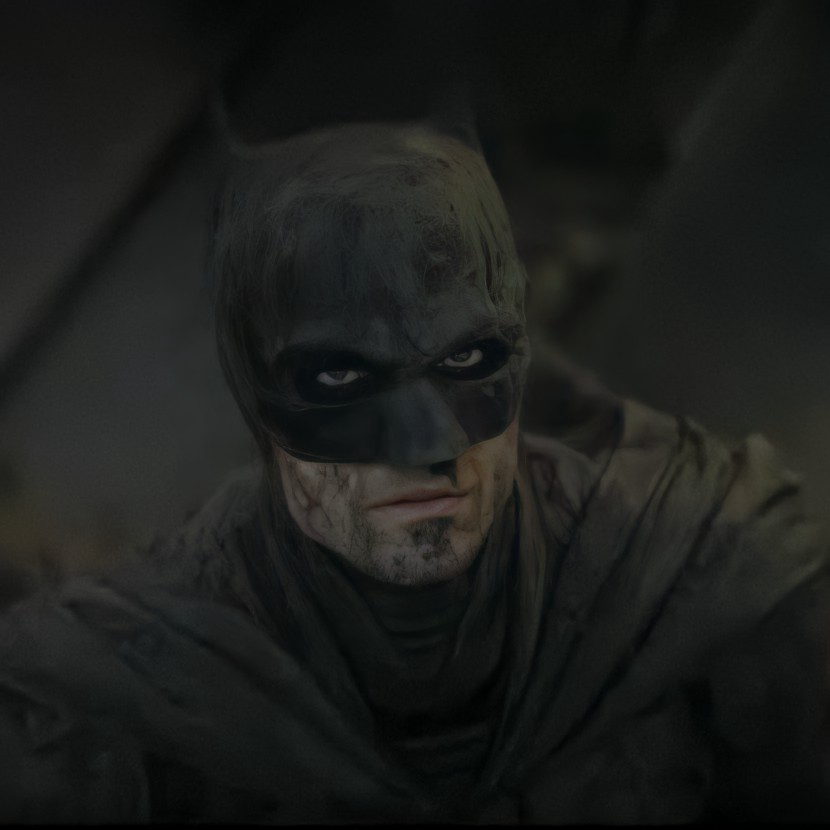
Bruce Wayne "Batman" MBTI 성격 유형
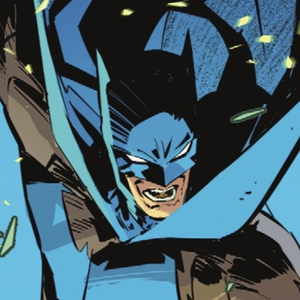
인격
"Bruce Wayne "Batman"은 어떤 성격 유형입니까? Bruce Wayne "Batman"은 mbti의 INTJ 성격 유형입니다. enneagram의 1w9 - so/sp - 614, big 5의 RCOEI, socionics의 LSI입니다."
[MBTI] Ni dom: Batman’s main motivation is his inner vision of what an ideal Gotham would look like. He has a keen understanding of how to reform the city to align better with how his personal intuition has decided it could and should be like. He’s constantly thinking about the rational future possibilities to form his plan of attack and he has many gadgets prepared for situations in which those abstract ideas become reality. He sees himself not as a mere human in a costume beating up criminals, but as the embodiment of the concept of fear, promising his father that he will ‘become a bat’ as he captures the essence of the concept of bats by becoming the vigilante we know him as. He’s also a great mentor because he’s capable of seeing the bigger picture and identifying problems by unconsciously connecting the dots without having to calculate first. Every criminal presents another thing which he fears he could become, never being merely another psychopath in a mask, but touching on a deeper meaning he sees within their existence. Te aux: Batman knows the importance of rationality, and on top of that, the importance of duty. He never fails to consider criteria and his plans are always top-notch because he’s aware of the rationale which determines what his decision will cause. His top priority when fighting criminals is what will get things done. If that means frightening them out of their skin, so be it- just as long as it doesn’t go too far. He’s the leader of the Justice League, not because he’s the most powerful or the strongest or the most capable of fighting their threats, but because he’s a natural-born commander due to being able to see past the purely emotional cloud which many of his fellow leaguers follow blindly. This isn’t to say he’s unemotional or that he considers emotions unimportant, but he makes sure as much as he can, never to let them get in the way of the objective. Fi tert: Batman has a very strict moral code, formed based on the values he’s formed over time. Most notably, he often refuses to carry a gun, since he believes it would make him no better than the man who shot his parents. He very often has moral dilemmas while fighting criminals, particularly when the Joker plays with his mind and manipulates him into breaking his formality and making rash decisions. His entire career as Batman started based off of him feeling hurt by the loss and grief of his parents’ death, and he decided then and there that it was his mission to get rid of the crime in Gotham. He makes sure not to let these values be corrupted by anybody, be it a cackling villain or an ally of his who urges him to do things in ways he knows he shouldn’t. Se inf: Batman would never be comfortable to go into something unprepared. He can’t live in the moment without preparing first, and despite him having good coordination when it comes to fighting, it took him years of training to get to that level, and he still relies on gadgets to do the physical stuff for him a lot of the time. There are moments where he goes into the grip, when criminals infuriate and stress him so much through their words that he becomes impulsive, but this is never a behaviour which comes naturally to him. He’s completely content to brood in his cave alone for hours away from society, and has no desire to get out and make a life for himself- the thought of doing so may even be something he finds repulsive. He fully focuses on his inner vision and his mission and will never risk that by losing himself in the moment. Arguments for the rest of his typology coming someday within the next five years probably :P
전기
인격 correlate
Joker

Clark Kent / Kal-El "Superman"
Red Hood

Catwoman

Harleen Quinzel “Harley Quinn”

Dick Grayson "Nightwing"

Lex Luthor

Poison Ivy