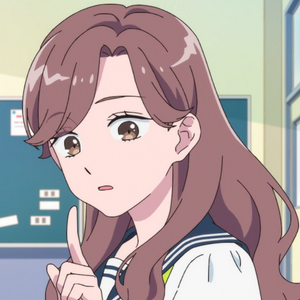
Nishi MBTI性格类型
性格
"Nishi是什么人格? Nishi是MBTI中的INFP人格类型,九型中的6w7 - SP6 - 694,五大类型中的,Socionics中EII类型。"
I know ISFJs. I've dated ISFJs. My sister is an ISFJ. This character is not an ISFJ. I know INFPs. I've dated INFPs. I am an INFP. This character is 100% an INFP. MBTI analysis has to be grounded in reality, (i.e. real people and not just theory) otherwise it tends to go off the rails. With that in mind, here's what I have to say to ISFJ voters: 1. Fi is not anti-social, nor is it impervious to the need for societal approval. It's just clumsy with those things. Exactly like this character (INFP). 2. Fe (ISFJ) doesn't usually have a hard time figuring out what other people are thinking and feeling, because it's naturally more tuned in to those social cues. For examples of this, see the INFJ and ESFJ characters in this series (Honda and Azuma). Notice the way that Honda understands what's happening with Nishi and Yamada better than either of them do. This is because Honda can pick up on their body language, facial expressions, vocal tones, etc. with her Fe in ways that neither Yamada nor Nishi can do because both preferentially use Fi. 3. Both ISFJ and INFP value Si. But ISFJ uses it in a heroic way (1st function), whereas INFP uses it in a childish way (3rd function). Per Google AI: "Si (Introverted Sensing) Child, found in INTPs and INFPs, is an optimistic, playful, and loyal function that uses past experiences to create personal comfort, stability, and reliable routines. It functions as an inner "jewel box" of memories, often acting nostalgic and focusing on physical comfort. It can be immature, leading to stubbornness or fear of new experiences." (This is the way that Nishi uses Si). Also per Google AI: "The Si Hero (ISTJ/ISFJ dominant function) is a powerhouse of memory, stability, and duty, acting as a "subjective hard drive" that prioritizes safety, routine, and detailed past experiences. It provides unmatched ability to recall data, uphold traditions, maintain comfort, and accurately assess risk based on past lessons, operating effortlessly and confidently." (This is the way that Tani (ISTJ) uses it). 4. Si doms (ISFJ and ISTJ) have strong access to Se as it is their 5th function. The 5th function is a function that the person knows how to use, but just doesn't value anywhere near as much as the 1st function version, if it is valued at all. So an ISFJ or ISTJ feels way more comfortable using Si than Se, even though he or she can technically use both. As an example of this, take Captain America (MCU version), a character who uses Si to strategize, and Se to fight. The equivalent holds true for all other MBTI types, including INFPs. Our 5th function is usable, it just gets eclipsed by our 1st function, because that's the one we prefer. So immature INFPs will often feel socially isolated because they're so much "in their heads" with all of the fantasies and (often chaotic) overthinking that come with Fi/Ne, but that Fe need for social connection and approval is still there, which is why people say that INFPs are especially sensitive to criticism from others, often anticipating this by criticizing ourselves first. All of this can be seen quite clearly in Nishi's inner monologue. She WANTS to join in, she just doesn't know how. It seems risky to her to participate, because her emphasis on Fi makes her feel disconnected from the social group, off in her own little world, which seems so big from the inside that she doesn't know how to reconcile it with the larger world "out there." Believe me, this is a conundrum that I'm quite familiar with, and if you ask any INFP, you'll find that this is totally relatable to them. Ask an ISFJ, however, and you're not likely to find that they can relate to this at all.
背景