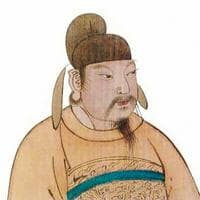
Du Fu (Tu Fu) MBTI Personality Type
Personality
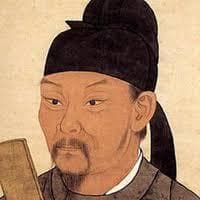
What personality type is Du Fu (Tu Fu)? Du Fu (Tu Fu) is an INFJ personality type in MBTI, 4w5 - - 416 in Enneagram, RLOAI in Big 5, EII in Socionics.
I believe Du Fu is INFJ. Du Fu isn’t primarily writing from private feeling (Fi). He writes from historical vision and collective responsibility. That distinction matters. Ni — Dominant In “Spring View” (春望): 国破山河在,城春草木深。 The nation shattered—mountains and rivers remain; In the spring city, grasses and trees grow deep. This isn’t personal melancholy. It’s civilizational compression. Ni condenses an era into image. Du Fu repeatedly frames events through long-arc consequence, not emotional self-expression. Fe — Auxiliary His most famous moral plea: 安得广厦千万间,大庇天下寒士俱欢颜。 Oh that I had ten thousand great halls, To shelter all the poor scholars under heaven. That is not Fi introspection. That is outward ethical longing. He feels responsible for society’s suffering. His poetry consistently centers “天下” — the world, the people, the state. He wanted to serve. He studied for the exams. He grieved that he could not contribute more meaningfully during crisis. That’s Fe attachment to collective duty. Why Not INFP? INFP grief is inward, identity-centered, often existentially solitary. Du Fu’s grief is structural and social. He doesn’t retreat into private emotion. He carries the moral burden of the empire. He is future-oriented, ethically heavy, historically conscious — not wandering in personal idealism. In the High Tang triad: Li Bai — Ne–Fi radiance Wang Wei — Ni–Te stillness Du Fu — Ni–Fe moral gravity One burned. One refined. One bore witness. More structured historical analyses here: https://historicalfigurembti.com/posts/du-fu
Biography
Du Fu (Wade–Giles: Tu Fu; Chinese: 杜甫; 712–770) was a Chinese poet and politician of the Tang dynasty. Along with his elder contemporary and friend Li Bai (Li Po), he is frequently called the greatest of the Chinese poets. His greatest ambition was to serve his country as a successful civil servant, but he proved unable to make the necessary accommodations. His life, like the whole country, was devastated by the An Lushan Rebellion of 755, and his last 15 years were a time of almost constant unrest. Some of his poems are featured on the famous historical novel the Romance of the Three Kingdoms.
Related Personalities
Mukhtar al-Thaqafi

Li Longji (Emperor Xuanzong of Tang)

Yang Guifei

Tariq b. Ziyad

Charles Martel
Bilge Qaghan
Al Hajjaj b. Yusuf
Dihya