Ibn Khaldun MBTI Personality Type
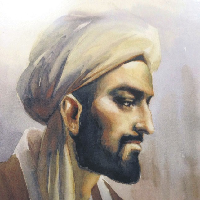
Personality
What personality type is Ibn Khaldun? Ibn Khaldun is an ENTP personality type in MBTI, 7w6 - sp/so - 731 in Enneagram, RCOEI in Big 5, ILE in Socionics.
He was a challenger, a pattern-seeker, a questioner of tradition, and a system-breaker — exactly the kind of historical genius ENTPs are known for. He didn’t just tell stories — he attacked historians who blindly copied traditions without asking why. He built theories like a scientist, but with a lot of playful originality in breaking the old way of thinking. He was bold, provocative, and disruptive — traits you see in ENTPs. His idea of asabiyyah wasn’t written in a moralistic or Fi-value-heavy tone (like an ENFP would) — it was more about explaining mechanisms of power and survival.
Biography
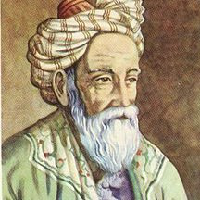
Ibn Khaldun (/ˈɪbən kælˈduːn/; Arabic: أبو زيد عبد الرحمن بن محمد بن خلدون الحضرمي, Abū Zayd ‘Abd ar-Raḥmān ibn Muḥammad ibn Khaldūn al-Ḥaḍramī; 27 May 1332 – 17 March 1406) was an Arab scholar of Islam, social scientist and historian who has been described as the father of the modern disciplines of historiography, sociology, economics, and demography. Niccolò Machiavelli of the Renaissance and the 19th-century European scholars widely acknowledged the significance of his works and considered Ibn Khaldun to be one of the greatest philosophers of the Middle Ages. He is known for his The Muqaddimah which Arnold J. Toynbee called it "a philosophy of history which is undoubtedly the greatest work of its kind."His book, the Muqaddimah or Prolegomena ("Introduction") influenced 17th-century Ottoman historians like Kâtip Çelebi, Ahmed Cevdet Pasha and Mustafa Naima, who used its theories to analyze the growth and decline of the Ottoman Empire. Ibn Khaldun interacted with Tamerlane, the founder of the Timurid Empire.
Related Personalities
Adam Smith
Friedrich von Hayek
John Maynard Keynes

Hans-Hermann Hoppe
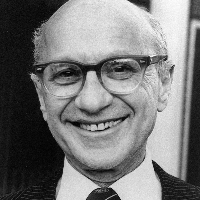
Milton Friedman
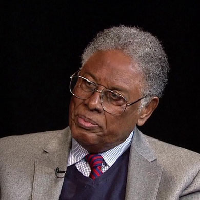
Thomas Sowell
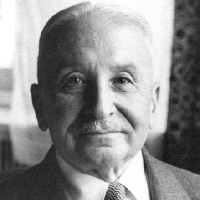
Ludwig von Mises
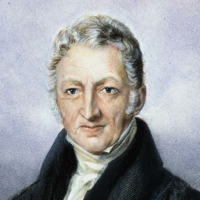
Thomas Malthus