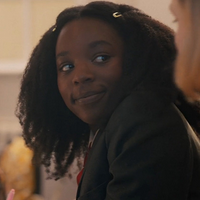
Charlie Spring tipo di personalità MBTI

Personalità
"Che tipo di personalità è Charlie Spring? Charlie Spring è un tipo di personalità in mbti, 6w5 - sp/so - 694 in enneagram, RLUAI in big 5, SEI in socionics."
[1/2] 𝗖𝗵𝗮𝗿𝗹𝗶𝗲 𝗦𝗽𝗿𝗶𝗻𝗴 𝗶𝘀 𝗦𝗲𝘅𝘂𝗮𝗹 𝗡𝗶𝗻𝗲 I watched this show four times. Well, more like two times in full and two other times I was just watching it with friends. But it’s a great show. A story about friends at school who struggle with romance and drama… You love to see it. The crazy thing is that I also changed my typing for Charlie Spring three times. Yes, three times! I first started with SX5 IEI. Then it was SP6 EII. Then… SX9 SEI. Sort of crazy. But it makes sense considering how complex Charlie is. When I first started 𝘏𝘦𝘢𝘳𝘵𝘴𝘵𝘰𝘱𝘱𝘦𝘳, I was sure on SX5. I saw an isolated, introverted guy. Check. A guy who idealized romance. Check. And then I saw a guy who was stuck in his head for most of the season while being an observer. Check, check, check. Things were really adding up. I then brought up my computer and started writing an analysis… But then. Nope. I changed my mind. Why? It’s because I realized how I never actually looked into why Mr. Spring was so isolated, so hidden, and so focused on love. Did the show explain these phenomena? Last night I rewatched 𝘏𝘦𝘢𝘳𝘵𝘴𝘵𝘰𝘱𝘱𝘦𝘳, created a document, and organized my thoughts on Mr. Spring based on each of the eight episodes of the first season. When I rewatched 𝘏𝘦𝘢𝘳𝘵𝘴𝘵𝘰𝘱𝘱𝘦𝘳 in full, I kept a couple questions in the back of my mind: why is Charlie isolated; what makes Charlie so focused on love; and why does Charlie struggle with insecurities and anxieties? As I opened up Netflix and started watching, I noted on the fact that (1) Charlie is not focused on resources, survival, and material security—all things Self-Preservation related (Chestnut, ch. 1); (2) Charlie is very sensually focused on peaceful sensations in the present moment; (3) and Charlie suppresses his feelings and keeps a sweet, gentle demeanor. Not only this, but he dreams… a lot. When he first met Nick, he idealized him and imagined that Nick was going to ask Charlie out. This reminded me of these two quotes (of the multiple quotes that talk about Sexual Nine’s behavior in fantasy): “The field in which fantasy operates the most is love. Since the sexual E9 does not have the courage to desire, nor to express the interest that he may feel for another person, he lives it and builds it by fantasizing in his head, so as not to expose himself to the risk of rejection and the shame of not being liked" (Naranjo et al. 𝘓𝘢 𝘗𝘦𝘳𝘦𝘻𝘢 𝘗𝘴𝘪𝘤𝘰𝘦𝘴𝘱𝘪𝘳𝘪𝘵𝘶𝘢𝘭); “If reality ever intersects with fantasy, he ends up being disappointed because, of course, things do not go as he had told him in his imagination" (Naranjo et al. 𝘓𝘢 𝘗𝘦𝘳𝘦𝘻𝘢 𝘗𝘴𝘪𝘤𝘰𝘦𝘴𝘱𝘪𝘳𝘪𝘵𝘶𝘢𝘭). Sexual Nines are dreamers, and sometimes they dream too much about love. These Nines are not necessarily like the other Nines in this aspect since these Nines can be quite intense, focusing on symbiosis, union, and merging. Beatrice Chestnut defines merging as “the form of an energetic taking on of feelings, attitudes, beliefs, and even behavior” (ch. 3). Essentially, this is a type of neurotic behavior that forms based on the fixation of the idea of self-forgetfulness. Nines forget themselves, and when put into the Sexual sphere, this can take the form of someone who lives based on passively conforming to environments. Sound familiar? In episode eight Tao explains that Charlie has “always had a tendency to believe that him just existing is annoying for other people” ("Boyfriend" 6:07-18). Charlie willingly joins Nick’s rugby team—and has trouble saying no, follows Nick and his friends for most of the season, plays games Nick enjoys (Mario Kart being a possible example for this), and even wears similar clothes and shares similar mannerisms as Nick. As Tao also exclaims in episode three, “Charlie's changing. He's gone to rich-boy Harry's parties. Last year he would have rather died than go to one of those” ("Kiss" 8:55-9:05). Charlie Spring often has a loss of personal opinions. When asked at an arcade “what do you want to play” ("Friend" 14:12-13), Spring said, “I don't know” ("Friend" 14:13-14). He blends in the background, ignores conflict, represses sadness and anger in favor of people around him, and can be quite dependent on people around him for a sense of love that he does not give to himself. Stepien and Barnó, also simply known as Haiki, describe that Sexual Nines have an “inability to stand up on their own feet, and as a result, the other ends up becoming everything for them” (𝘌𝘯𝘦𝘢𝘨𝘳𝘢𝘮𝘢). Unfortunately for the withdrawn, idealistic Charlie, he lets people walk all over him. He hides, suppressing his emotions. He melts into comfort, ignoring his sense of identity.
Biografia
Charlie Spring is a gay overthinking guy who develops a crush on his rugby loving, golden retriever incarnation friend Nick. He is high-strung, sensitive, and has a tendency to apologize a lot.